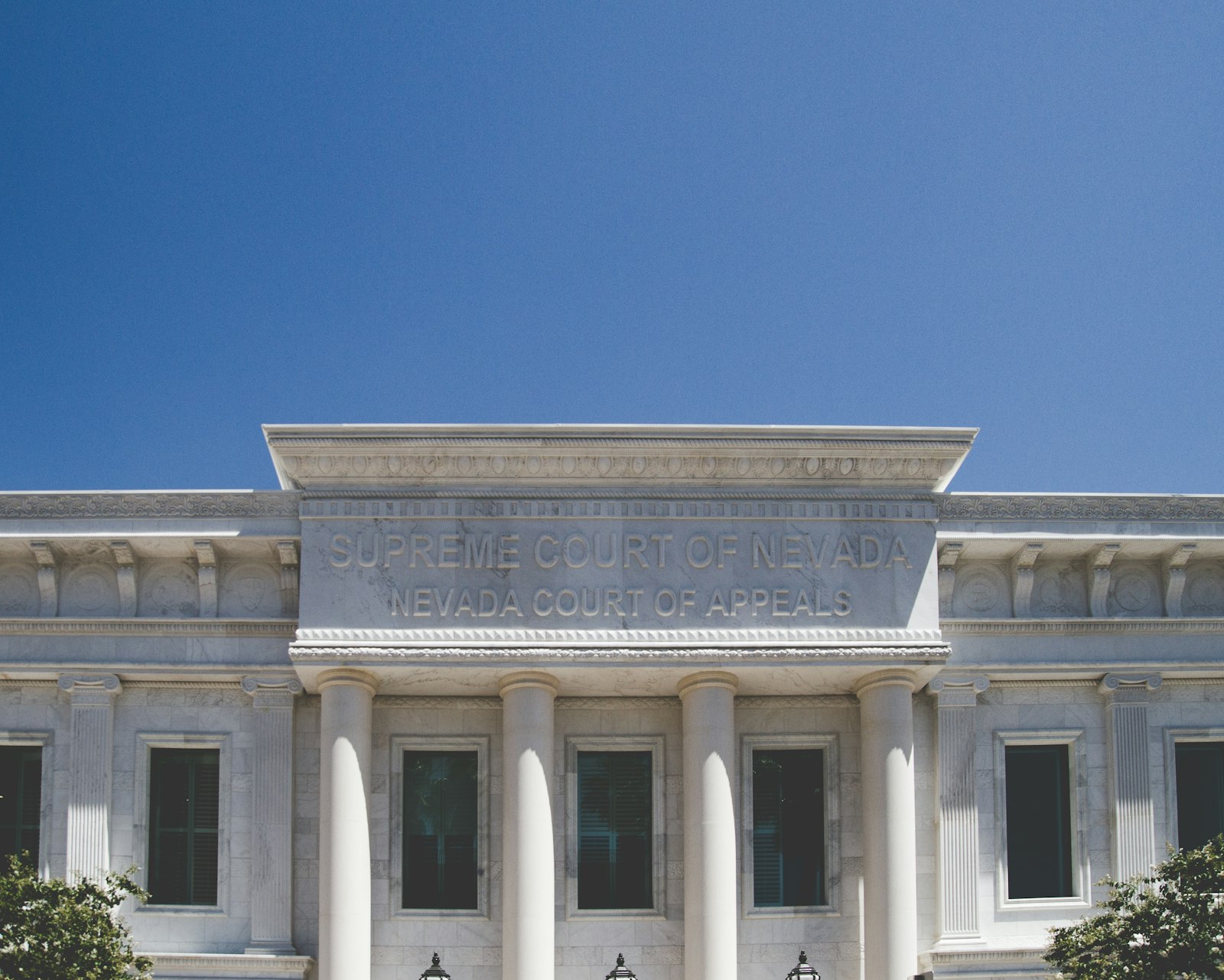
Most people know the words felony and misdemeanor. What surprises them is that Maine law doesn’t actually use either one. Instead, Maine sorts crimes into classes, from Class A down to Class E. Understanding which class you’re charged with is the first step in understanding what you’re facing.
The classes
Here are the maximum penalties for each class. These are the limits, not the typical sentence.
- Class A: up to 30 years in prison and a $50,000 fine. Examples include aggravated assault with serious injury and major drug trafficking.
- Class B: up to 10 years and a $20,000 fine. Examples include burglary of a home and some drug trafficking offenses.
- Class C: up to 5 years and a $5,000 fine. Examples include some thefts of larger amounts and certain repeat offenses.
- Class D: up to 364 days in jail and a $2,000 fine. Examples include simple assault and a first OUI.
- Class E: up to 6 months in jail and a $1,000 fine. Examples include shoplifting small amounts and disorderly conduct.
Murder sits outside the class system and carries the most serious penalties.
Classes A, B, and C are what most people would call felonies. Classes D and E are misdemeanors.
What decides the class
The class depends on the specific crime, the facts, and sometimes your record. A theft can be Class E or Class B depending on the value. Prior convictions can bump a charge up a class. Using a weapon can, too.
Consequences beyond the sentence
The court’s sentence is only part of the picture. A conviction can also affect:
- Firearms: a Class A, B, or C conviction makes it illegal to own or possess a gun in Maine, and some Class D domestic violence convictions do too
- Jobs and licenses: background checks show convictions, and some professional licenses can be denied or revoked
- Housing: many landlords screen applicants
- Immigration: some convictions carry serious immigration consequences for non-citizens
One thing that doesn’t change: Maine is one of very few states where people keep the right to vote even while serving a sentence.
Why the charge isn’t the end of the story
The charge the police file is a starting point. In many cases, a charge can be reduced to a lower class, resolved through a deferred disposition that ends in a dismissal or lesser conviction, or dismissed outright. Some cases should go to trial. The right path depends on the evidence and on what matters most to you.
Building a defense
We start by listening and reading everything: the police reports, the video, the lab results. Then we look at how the evidence was gathered, whether your rights were respected, and what facts help you. If there’s a mental health condition or disability involved, the law lets that be considered, and we make sure it is.
Get help early
If you’ve been charged in Bangor or anywhere in Penobscot County, call Gray & Palmer at (207) 945-5502 before you talk to anyone else about the case. See also Charged With a Crime in Bangor? Your First Steps and our felony and misdemeanor defense page.
This article is general information about Maine law, not legal advice for your situation. Reading it doesn't create an attorney-client relationship. If you have a specific question, call us at (207) 945-5502.